
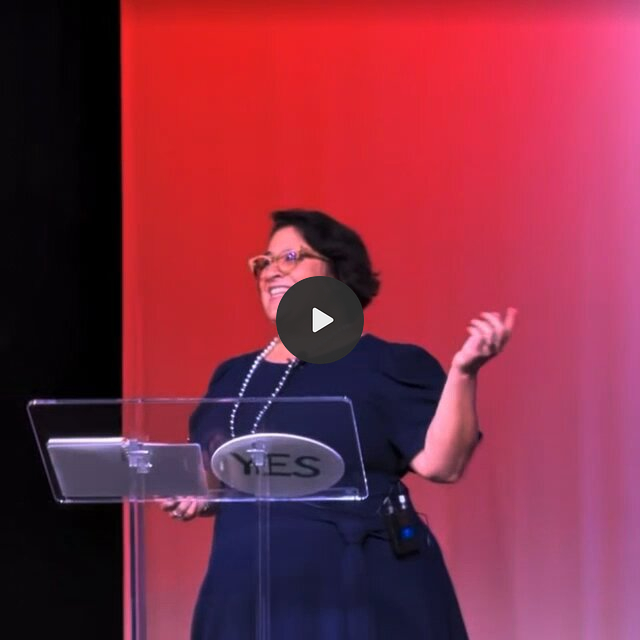
At a recent candidate forum, Democratic state House candidate Evonne Hopkins said that she personally has accessed Flock camera data in the course of her work as a family law attorney.
“Clearly, he’s not familiar with the way these cameras work,” Hopkins said in the exchange shared on X. “I have literally caught people cheating on their spouses by accessing this data. That’s how readily available the information about you is.”


That is a striking claim, and one worth slowing down to examine. Is this true? And if so, how is she getting this data?
The background
Hopkins is running for House District 35 against Republican state Rep. Mike Schietzelt. She owns the Raleigh Law Center, and her campaign identifies her as a board-certified family law specialist. Presumably, this means she handles a lot of divorce cases.
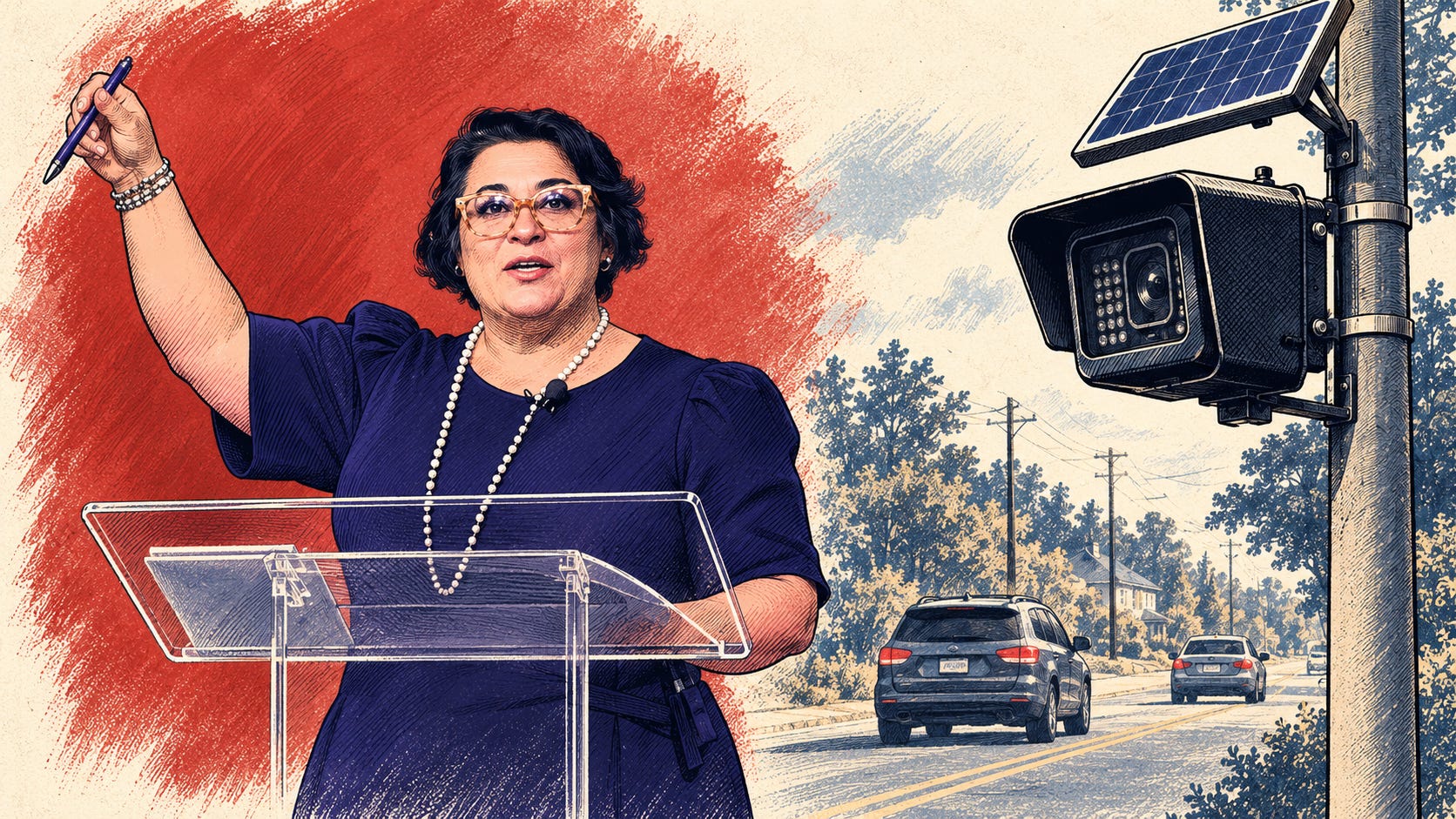
Both Raleigh and Wake Forest use Flock cameras to collect searchable records of vehicles passing particular locations. Raleigh’s description of its system says those records include the license plate number, date and time, camera location, and basic vehicle characteristics. The system does not identify the driver, according to the city.
It is easy to see how that information could help in a marital dispute. A vehicle sighting might contradict someone’s account of where they were. Repeated sightings might suggest a pattern worth investigating. The records wouldn’t establish an affair on their own, but they could contribute to a case.
Getting access to them is another matter.
North Carolina’s license-plate-reader law restricts obtaining, accessing, preserving and disclosing covered police data to law-enforcement purposes. Those include criminal investigations and prosecutions, locating missing or endangered people, and recovering lost or stolen vehicles. Investigating infidelity for a divorce case is not on the list.
The statute also makes the records confidential and excludes them from ordinary public records. Unauthorized access or disclosure can constitute a Class 1 misdemeanor.
The local safeguards are fairly specific, too.
Raleigh says each search must involve trained department personnel, a legitimate law-enforcement purpose and a case, warrant, dispatch or other identifying number. The city says use is audited monthly, with results reported to the police chief. Records are ordinarily deleted after 30 days unless preserved for a criminal investigation.
In October 2023, Wake Forest announced that its police department was leasing 25 Flock cameras. The town credited the newly activated network with helping recover stolen vehicles, locate a missing juvenile, recover a firearm and serve outstanding warrants.
Wake Forest Commissioner Adam Wright later described the safeguards after asking police how they used the system. According to his account, access is restricted, searches require a case number, offense type and documented reason, and the system is audited for compliance with state law and department policy. He also described a 30-day retention period.
Those are the public explanations of how these systems are supposed to work. Neither describes routine access for divorce lawyers investigating suspected affairs.
So how is she getting the data?
Let’s take her account at face value and consider how it might have happened.
One possible explanation is that she obtained records through a subpoena or court order. But “she’s a lawyer, so she can subpoena them” doesn’t really settle the question. Police-held plate records have specific statutory protections. We would need to know what was requested, who provided it and what legal authority permitted the disclosure. This process also doesn’t really match up with the cavalier way Hopkins said she accessed the data.
Another possibility is that the records came from privately operated cameras.
Beyond police departments, Flock also serves homeowners associations, apartment communities and businesses. The company says customers own their camera data and control access. It separately says private customers cannot access law-enforcement data through its system.
The News & Observer reported on Flock cameras operated by the Princeton Manor homeowners association in Knightdale, including residents’ concerns about who could inspect the records. Its reporting also identified cameras in nearby Mingo Creek.
Depending on the circumstances, an attorney might seek particular records from a private camera owner through litigation. Flock’s evidence policy generally directs subpoenas, court orders and other legal demands to the customer that owns the data. The company says it does not disclose customer records in response to legal process unless required by law.
A third possibility is that Hopkins was referring to a different source of vehicle-location data.
Flock is one supplier in a larger market. Delvepoint, for example, advertises historical vehicle sightings, including locations and dates. But its product page limits that service to specified insurance-related uses by insurers and insurance support organizations, including qualifying investigators.
Which brings us to the final possible explanation: improper access. But the quotation alone gives us no basis to conclude that happened.
Questions Hopkins should answer
Hopkins may not have realized it, but she made a pretty extraordinary statement on that stage. She makes two claims: that she used camera data to help establish infidelity, and that her experience shows how readily available information about the rest of us is.
I would like to hear more about what she was describing. She needn’t reveal the intimate details of her clients’ marriages to explain how she obtained the information. But she owes us more information on how she got access to this data.
These are the questions I would ask:
Were the records specifically from Flock? Or were they from another license-plate database, ordinary surveillance cameras or another source of location information?
When and where did this happen? What years were involved, and were the records collected in northern Wake County, elsewhere in North Carolina or another state?
Who held and supplied the information? A police department, homeowners association, business, private investigator or someone else? If an investigator supplied it, where did the investigator obtain it?
What did “accessing this data” involve? Did you personally search a database, ask someone else to search it or receive a limited set of records obtained for a case?
What authorized the access or disclosure? Was there a subpoena, court order, consent or another basis? Can you provide a redacted example showing the process?
What did the camera records establish? What other evidence supported the conclusion that someone was cheating, and what about your experience supports the broader claim that this information is readily available?